Tankless Water Heater Leak Repair in Colorado Springs
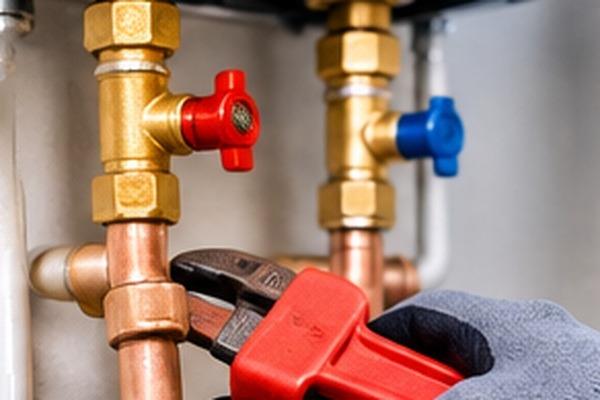
Water leaking from a tankless water heater should never be ignored. Even a slow drip inside the cabinet can corrode electronic motherboards, short out blower motors, damage drywall, and indicate severe heat exchanger failure. Our local technicians quickly pinpoint whether the leak originates from service valves, condensation drain traps, or internal pressurized plumbing.
Signs It Is Time to Call a Professional
How Our Certified Technicians Diagnose & Resolve the Issue
Colorado Springs Altitude & Climate Considerations
Thermal shock and freezing: Extreme Colorado cold snaps can freeze exposed wall penetrations, causing copper tubing inside the heat exchanger to split open.
Advanced Engineering Diagnostics: How Technicians Resolve Leak Repair
Unlike conventional tank water heaters that rely on basic mechanical thermostats, modern on-demand tankless systems operate as complex, computer-controlled hydronic machines. When executing leak repair services in Colorado Springs, technicians follow an uncompromising diagnostic protocol designed to isolate the fundamental mechanical or electrical failure rather than merely replacing components by trial and error.
The service begins with digital error log extraction directly through the unit's onboard microprocessor interface. Technicians connect specialized diagnostic tools to review the historical sequence of ignition attempts, thermistor temperature curves, DC blower fan RPM fluctuations, and flame rectification current signals. Using dual-port digital manometers, technicians verify dynamic working gas pressures under 100% full-fire load, ensuring the system maintains between 7.0 and 10.5 inches of water column (W.C.) for natural gas or 11.0 to 14.0 inches W.C. for liquid propane. Inadequate dynamic gas pressure caused by undersized 1/2-inch legacy piping or sticking gas regulators is a primary cause of intermittent flame failures across El Paso County.
Next, electrical components are individually tested against factory resistance specifications. Technicians check flame rectification rods for microscopic silica glazing, measure igniter spark electrode gap spacing down to 1/8-inch tolerances, test high-limit thermal fuses for continuity, and examine the Hall-effect water flow turbine. By systematically testing the combustion, electronic, and hydraulic sub-systems, our network technicians resolve leak repair issues quickly and permanently on the initial visit.
High-Altitude & Water Chemistry Standards in Colorado Springs
At Colorado Springs' base elevation of 6,035 feet—extending upward to 7,200 feet in Falcon and over 8,400 feet in Woodland Park—atmospheric air density drops by more than 20% compared to sea level. This thin mountain atmosphere drastically alters the stoichiometric fuel-to-oxygen ratio required for clean gas combustion. Without high-altitude recalibration (including configuring DIP switches and adjusting electronic gas manifold pressures), gas burners suffer from incomplete combustion, producing heavy carbon soot, high carbon monoxide output, and premature heat exchanger thermal cracking.
Additionally, winter groundwater temperatures sourced from mountain snowmelt drop as low as 36°F to 39°F between November and March. To supply a household shower at the standard 120°F setpoint, the water heater must deliver an extreme 81°F to 84°F temperature rise (Delta-T). Under these demanding winter conditions, even a microscopic layer of calcium carbonate scale—common in Colorado Springs Utilities (CSU) municipal supplies and local deep bedrock wells—severely throttles hot water volume. Certified technicians calibrate systems specifically to overcome these rigorous alpine operating hurdles.
PPRBD Building Code & Municipal Safety Compliance
All tankless water heater servicing and replacements in the Pikes Peak region comply with the rigorous standards enforced by the Pikes Peak Regional Building Department (PPRBD) and local fire jurisdictions. Technicians verify direct-vent clearance distances from doors, windows, and exterior electrical meters; check that flue gas exhaust piping uses approved Category IV polypropylene or CPVC materials; inspect gas drip sediment legs; and ensure thermal expansion tanks and pressure relief valves are properly plumbed to an approved drain. These measures guarantee safe, code-compliant operation and protect homeowner warranty coverage.
Transparent Service Pricing & What to Have Ready
We believe Colorado Springs homeowners deserve clear, upfront communication. Component diagnostics, flow turbine cleans, and maintenance flushes start with transparent flat-rate pricing, and all repairs require your approval before any physical work begins. Because we operate as a direct phone-only technical network, there are no lengthy online forms or automated email delays.
- Unit Brand & Model Number (on cabinet label)
- Current Error Code (flashing on digital display)
- Fuel Type (Natural Gas, Propane, or Electric)
- Approximate Age of Unit & Last Service Date
Brands Serviced Daily
Ready to Speak Directly With a Colorado Springs Tankless Technician?
We operate a 100% phone-based direct dispatch service. No waiting for email replies or filling out lengthy forms.
What Callers Should Have Ready For Fast Diagnosis:
Frequently Asked Questions
Talk to a Technician
No online forms. Direct phone dispatch with screened local specialists across Colorado Springs.
Call (456) 789-0123